
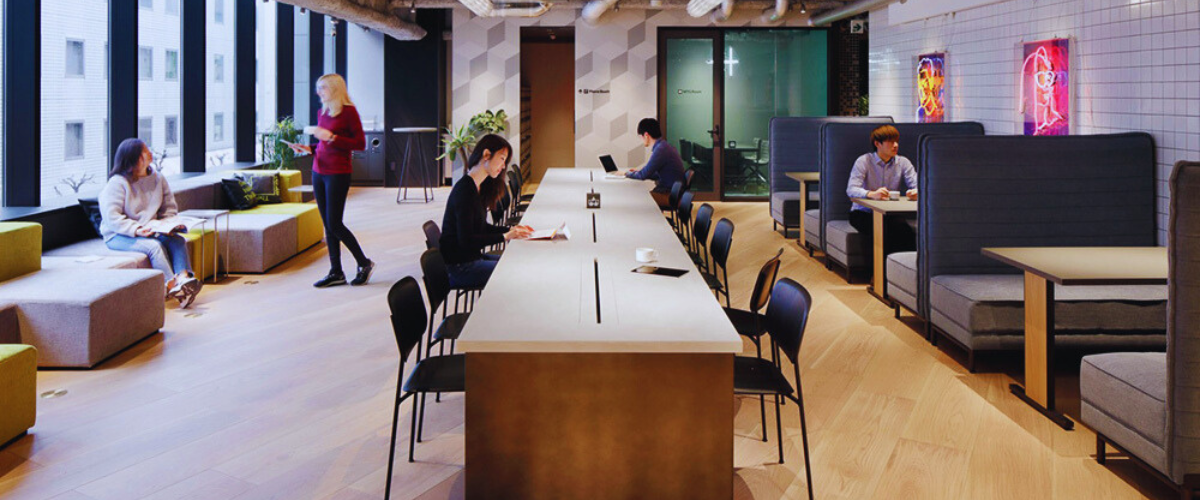
Whitefield has become one of Bangalore’s most active business districts, driven by IT parks, global companies, startups, and a rapidly growing remote workforce. As a result, coworking spaces in Whitefield have become a preferred choice for professionals looking for flexible and cost-effective work environments.
However, productivity in a coworking space does not come automatically. While the infrastructure is shared, focus, efficiency, and work discipline depend on how the workspace is set up and used. This guide explains how professionals can create a productive workspace inside a coworking space in Whitefield, using practical strategies that support long-term performance rather than short-term convenience.
Choosing the Right Coworking Space in Whitefield
Productivity starts before the desk is even selected. The location and design of a coworking space play a major role in daily work quality. A workspace that is difficult to commute to or poorly connected to public transport adds unnecessary fatigue to the workday. Coworking spaces located near Whitefield Metro stations, ITPL, or major road networks reduce travel stress and improve consistency.
Beyond location, infrastructure quality matters. Stable high-speed internet, ergonomic seating, reliable power backup, and temperature-controlled work areas form the foundation of a productive environment. Professionals who spend long hours working will quickly feel the impact of poor chairs, cramped desks, or inconsistent connectivity. Natural lighting and proper ventilation further enhance concentration and reduce mental fatigue, especially during extended work sessions.
Creating an Ergonomic and Focus-Oriented Desk Setup
Once the coworking space is selected, desk setup becomes the most important productivity factor. A cluttered desk creates visual noise, which increases cognitive load and reduces focus. Keeping only essential work items on the desk helps maintain mental clarity throughout the day.
Ergonomics should not be treated as optional. The chair should support an upright posture, the screen should be positioned at eye level, and the keyboard and mouse should allow the wrists to remain neutral. Poor posture may not show immediate impact, but over time it leads to fatigue, discomfort, and reduced efficiency.
Personalization also plays a role in productivity. A minimal plant, neutral décor, or a familiar object creates a sense of ownership in a shared environment. This psychological comfort improves focus without turning the workspace into a distraction.
Managing Internet Reliability in Shared Workspaces
For most professionals working from coworking spaces in Whitefield, internet connectivity is mission-critical. Even short disruptions can break concentration and delay work. Before committing to a space, it is important to test internet stability during peak working hours, not just speed tests during quieter periods.
Maintaining a backup internet option, such as a mobile hotspot, ensures uninterrupted workflow. This small precaution prevents lost productivity during occasional network downtime and supports seamless virtual meetings.
Handling Noise and Distractions in Coworking Spaces
Coworking spaces are designed for collaboration, which naturally creates background activity. While this energy can be motivating, it can also reduce deep focus if not managed correctly. Choosing a seat away from high-traffic areas such as entrances, lounges, or pantry zones significantly reduces distraction.
Noise-cancelling headphones help create a personal focus zone, even in busy environments. Many coworking spaces in Whitefield also offer silent work areas or phone booths, which should be used for tasks requiring uninterrupted concentration or client calls. Matching the task to the right zone improves both speed and quality of output.
Organizing Digital Work to Reduce Mental Load
Digital clutter often goes unnoticed but has a direct impact on productivity. A disorganized desktop, scattered files, and excessive browser tabs slow decision-making and increase frustration. Maintaining a structured folder system and using cloud storage ensures quick access to important documents.
Task management tools and calendars help create clarity in shared work environments where interruptions are common. Planning the day in advance and grouping similar tasks together reduces context switching, allowing deeper focus and faster execution.
Structuring Time for Consistent Productivity
Without structure, coworking spaces can lead to fragmented workdays. Time-blocking techniques help protect focus hours and prevent distractions from taking over. Short, focused work intervals followed by brief breaks maintain energy levels and reduce burnout.
Starting the day with high-priority tasks ensures meaningful progress before meetings and messages begin. Equally important is ending the workday at a fixed time, which helps maintain a healthy work-life balance and prevents productivity fatigue.
Networking Without Disrupting Work Flow
One of the biggest advantages of coworking spaces in Whitefield is access to a diverse professional community. However, unplanned conversations throughout the day can interrupt focus. Productive networking happens when it is intentional rather than constant.
Participating in scheduled events, workshops, or community meetups allows professionals to build relationships without affecting daily work rhythm. Online community channels within coworking spaces also offer a less disruptive way to stay connected and collaborate.
Supporting Health and Well-Being in a Coworking Environment
Sustained productivity depends on physical and mental well-being. Sitting for long hours reduces energy levels and focus, making regular movement essential. Standing up, stretching, or walking short distances during breaks helps maintain circulation and alertness.
Hydration and nutrition also play a role in work performance. Consistent water intake and balanced snacks prevent energy crashes during long workdays. Some coworking spaces in Whitefield provide wellness rooms or quiet areas that can be used for short mental resets.
Using Shared Facilities Efficiently
Meeting rooms, conference areas, and shared equipment are valuable resources in coworking spaces. Booking these in advance and preparing clear agendas ensures meetings remain efficient and time-bound. Testing internet and presentation equipment before calls prevents avoidable disruptions and maintains professional standards.
Building Routine and Consistency
Consistency turns a shared workspace into a productive one. Starting the day with a predictable routine trains the mind to enter work mode faster. Reviewing tasks, setting priorities, and planning time blocks creates structure even in dynamic environments.
Ending the day by reviewing progress and planning the next day helps maintain momentum without mental overload. Over time, these routines improve efficiency, focus, and work satisfaction.
Coworking Spaces in Whitefield Worth Exploring
Coworking space in whitefield is suited for freelancers, startups, and growing teams. Options such as Sharespace Whitefield, WeWork Whitefield, 91Springboard, IndiQube, and Regus provide varying levels of flexibility, amenities, and community engagement. Choosing the right space depends on work style, team size, and long-term goals.
Conclusion
Setting up a productive workspace in a coworking space in Whitefield requires more than access to a desk and internet. Productivity comes from choosing the right environment, maintaining ergonomic discipline, managing distractions, and building consistent work routines.
When used correctly, coworking spaces in Whitefield offer a balanced combination of flexibility, focus, and professional growth. With thoughtful setup and structured habits, professionals can achieve high productivity while benefiting from the collaborative energy that coworking spaces are designed to provide.
Our Coworking Solutions
FAQ
As more businesses move towards flexible and remote work arrangements, coworking spaces are likely to continue to grow in popularity. The demand for flexible workspaces is increasing, and coworking spaces offer a cost-effective and flexible solution for businesses of all sizes.
Technology will play a significant role in the future of coworking spaces, with advancements such as virtual reality, artificial intelligence, and the Internet of Things likely to transform the coworking experience. These technologies will enable coworking spaces to provide more personalized and efficient services to their members
As sustainability becomes a more pressing concern, coworking spaces will need to prioritize green practices and sustainability in their operations. This may involve implementing energy-efficient technologies, reducing waste, and encouraging members to adopt green practices in their daily work.
Yes, startup can easily upgrade to dedicated desks, team rooms, or private cabins in coworking spaces as their business expands.
As coworking spaces become more popular, we may see a trend toward more specialized spaces that cater to specific industries or niches. This could include coworking spaces for healthcare professionals, creative industries, or social entrepreneurs, for example. By catering to specific industries or niches, coworking spaces can provide more tailored services and amenities to their members.

Jayanth is a growth marketer who closely studies the evolving office culture in India. With experience in coworking trends, startup growth environments, and modern workplace solutions, the author focuses on helping businesses choose smarter, flexible, and cost-effective workspaces.